DelightsomeLands Limited Uncategorized Everything You Need to Know About Depression (Major Depressive Disorder)

Everything You Need to Know About Depression (Major Depressive Disorder)

What is depression?

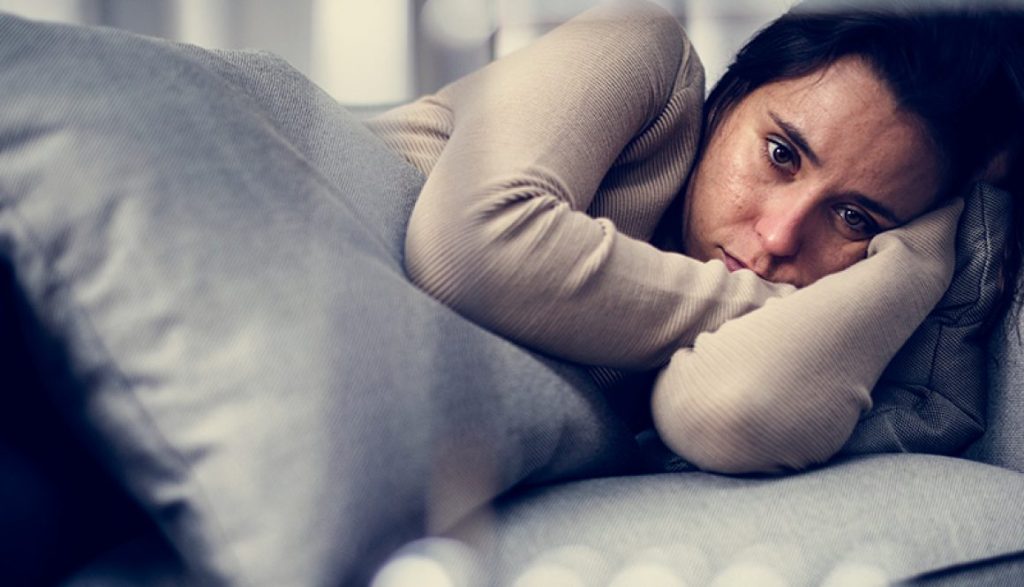
Depression is classified as a mood disorder. It may be described as feelings of sadness, loss, or anger that interfere with a person’s everyday activities.

It’s also fairly common. Data from the Centers for Disease Control and Prevention estimates that 18.5 percent of American adults had symptoms of depression in any given 2-week period in 2019.

Though depression and grief share some features, depression is different from grief felt after losing a loved one or sadness felt after a traumatic life event. Depression usually involves self-loathing or a loss of self-esteem, while grief typically does not.

In grief, positive emotions and happy memories of the deceased typically accompany feelings of emotional pain. In major depressive disorder, the feelings of sadness are constant.

People experience depression in different ways. It may interfere with your daily work, resulting in lost time and lower productivity. It can also influence relationships and some chronic health conditions.

Conditions that can get worse due to depression include:

  • arthritis
  • asthma
  • cardiovascular disease
  • cancer
  • diabetes
  • obesity
  • It’s important to realize that feeling down at times is a normal part of life. Sad and upsetting events happen to everyone. But if you’re feeling down or hopeless on a regular basis, you could be dealing with depression.

Depression is considered a serious medical condition that can get worse without proper treatment.

Depression symptoms
Depression can be more than a constant state of sadness or feeling “blue.”

Major depression can cause a variety of symptoms. Some affect your mood and others affect your body. Symptoms may also be ongoing or come and go.

General signs and symptoms
Not everyone with depression will experience the same symptoms. Symptoms can vary in severity, how often they happen, and how long they last.

If you experience some of the following signs and symptoms of depression nearly every day for at least 2 weeks, you may be living with depression:

  • feeling sad, anxious, or “empty”
  • feeling hopeless, worthless, and pessimistic
  • crying a lot
  • feeling bothered, annoyed, or angry
  • loss of interest in hobbies and interests you once enjoyed
  • decreased energy or fatigue
  • difficulty concentrating, remembering, or making decisions
  • moving or talking more slowly
  • difficulty sleeping, early morning awakening, or oversleeping
  • appetite or weight changes
  • chronic physical pain with no clear cause that does not get better with treatment (headaches, aches or pains, digestive problems, cramps)
  • thoughts of death, suicide, self-harm, or suicide attempts
  • The symptoms of depression can be experienced differently among males, females, teens, and children.

Males may experience symptoms related to their:mood,

such as anger, aggressiveness, irritability, anxiousness, or restlessness
emotional well-being, such as feeling empty, sad, or hopeless
behavior, such as loss of interest, no longer finding pleasure in favorite activities, feeling tired easily, thoughts of suicide, drinking excessively, using drugs, or engaging in high-risk activities
sexual interest, such as reduced sexual desire or lack of sexual performance
cognitive abilities, such as inability to concentrate, difficulty completing tasks, or delayed responses during conversations
sleep patterns, such as insomnia, restless sleep, excessive sleepiness, or not sleeping through the night
physical well-being, such as fatigue, pains, headache, or digestive problems

Females may experience symptoms related to their:mood,

such as irritability
emotional well-being, such as feeling sad or empty, anxious, or hopeless
behavior, such as loss of interest in activities, withdrawing from social engagements, or thoughts of suicide
cognitive abilities, such as thinking or talking more slowly
sleep patterns, such as difficulty sleeping through the night, waking early, or sleeping too much
physical well-being, such as decreased energy, greater fatigue, changes in appetite, weight changes, aches, pain, headaches, or increased cramps

Children may experience symptom related to their:

mood, such as irritability, anger, rapid shifts in mood, or crying
emotional well-being, such as feelings of incompetence (e.g., “I can’t do anything right”) or despair, crying, or intense sadness
behavior, such as getting into trouble at school or refusing to go to school, avoiding friends or siblings, thoughts of death or suicide, or self-harm
cognitive abilities, such as difficulty concentrating, decline in school performance, or changes in grades
sleep patterns, such as difficulty sleeping or sleeping too much
physical well-being, such as loss of energy, digestive problems, changes in appetite, or weight loss or gain

Depression causes
There are several possible causes of depression. They can range from biological to circumstantial.

Common causes include:

Brain chemistry. There may be a chemical imbalance in parts of the brain that manage mood, thoughts, sleep, appetite, and behavior in people who have depression.
Hormone levels. Changes in female hormones estrogen and progesterone during different periods of time like during the menstrual cycle, postpartum period, perimenopause, or menopause may all raise a person’s risk for depression.
Family history. You’re at a higher risk for developing depression if you have a family history of depression or another mood disorder.
Early childhood trauma. Some events affect the way your body reacts to fear and stressful situations.
Brain structure. There’s a greater risk for depression if the frontal lobe of your brain is less active. However, scientists don’t know if this happens before or after the onset of depressive symptoms.

Certain conditions may put you at higher risk, such as chronic illness, insomnia, chronic pain, Parkinson’s disease, stroke, heart attack, and cancer.
Substance use. A history of substance or alcohol misuse can affect your risk.
Pain. People who feel emotional or chronic physical pain for long periods of time are significantly more likely to develop depression.

Risk factors
Risk factors for depression can be biochemical, medical, social, genetic, or circumstantial. Common risk factors include:

Sex. The prevalence of major depression is twice as high in females as in males.
Genetics. You have an increased risk of depression if you have a family history of it.
Socioeconomic status. Socioeconomic status, including financial problems and perceived low social status, can increase your risk of depression.


Certain medications. Certain drugs including some types of hormonal birth control, corticosteroids, and beta-blockers may be with an increased risk of depression.
Vitamin D deficiency have linked depressive symptoms to low levels of vitamin D.
Gender identity. The risk of depression for transgender people is nearly 4-fold that of cisgender people, according to a 2018 study.
Substance misuse. About 21 percent of people who have a substance use disorder also experience depression.
Medical illnesses. Depression is associated with other chronic medical illnesses. People with heart disease are about twice as likely to have depression as people who don’t, while up to 1 in 4 people with cancer may also experience depression.

Treatment for depression
You may successfully manage symptoms with one form of treatment, or you may find that a combination of treatments works best.

It’s common to combine medical treatments and lifestyle therapies, including the following:

Medications
Your healthcare professional may prescribe:

Selective serotonin reuptake inhibitors (SSRIs)
SSRIs are the most commonly prescribed antidepressant medications and tend to have few side effects. They treat depression by increasing the availability of the neurotransmitter serotonin in your brain.

SSRIs should not be taken with certain drugs including monoamine oxidase inhibitors (MAOIs) and in some cases thioridazine or Orap (pimozide).

People who are pregnant should talk to their healthcare professionals about the risks of taking SSRIs during pregnancy. You should also use caution if you have narrow-angle glaucoma.

Examples of SSRIs include citalopram (Celexa), escitalopram (Lexapro), fluvoxamine (Luvox), paroxetine (Paxil, Paxil XR, Pexeva), and sertraline (Zoloft).

Serotonin and norepinephrine reuptake inhibitors (SNRIs)
SNRIs treat depression by increasing the amount of the neurotransmitters serotonin and norepinephrine in your brain.

SNRIs should not be taken with MAOIs. You should use caution if you have liver or kidney problems, or narrow-angle glaucoma.

Examples of SNRIs include desvenlafaxine (Pristiq, Khedezla), duloxetine (Cymbalta, Irenka), levomilnacipran (Fetzima), milnacipran (Savella), and venlafaxine (Effexor XR).

Tricyclic and tetracyclic antidepressants
Tricyclic antidepressants (TCAs) and tetracyclic antidepressants (TECAs) treat depression by increasing the amount of the neurotransmitters serotonin and norepinephrine in your brain.

TCAs can cause more side effects than SSRIs or SNRIs. Do not take TCAs or TECAs with MAOIs. Use with caution if you have narrow-angle glaucoma.

Examples of tricyclic antidepressants include amitriptyline (Elavil), doxepin (Sinequan), imipramine (Tofranil), trimipramine (Surmontil), desipramine (Norpramin), nortriptyline (Pamelor, Aventyl), and protriptyline (Vivactil).

Atypical antidepressants
Noradrenaline and dopamine reuptake inhibitors (NDRIs)
These drugs can treat depression by increasing the levels of dopamine and noradrenaline in your brain.

Examples of NDRIs include bupropion (Wellbutrin).

Monoamine oxidase inhibitors (MAOIs)
MAOIs treat depression by increasing the levels of norepinephrine, serotonin, dopamine, and tyramine in your brain.

Due to side effects and safety concerns, MAOIs are not the first choice for treating mental health disorders. They are typically used only if other medications are unsuccessful at treating depression.

Examples of MAOIs include isocarboxazid (Marplan), phenelzine (Nardil), selegiline (Emsam), tranylcypromine (Parnate).

N-methyl D-aspartate (NMDA) antagonists
N-methyl-D-aspartate (NDMA) antagonists treat depression by increasing levels of glutamate in the brain. Glutamate is a neurotransmitter believed to be involved in depression.

NMDA antagonists are used only in patients who have not had success with other antidepressant treatments.

The FDA has approved one NDMA medication, esketamine (Spravato), for the treatment of depression.

Esketamine is a nasal spray that is only available through a restricted program called Spravato REMS.

Patients may experience tiredness and dissociation (difficulty with attention, judgment, and thinking) after taking the medication. For this reason, esketamine is administered in a healthcare setting where a healthcare professional can monitor for sedation and dissociation.

Each type of medication that’s used to treat depression has benefits and potential risks.

Psychotherapy
Speaking with a therapist can help you learn skills to cope with negative feelings. You may also benefit from family or group therapy sessions.

Psychotherapy, also known as “talk therapy,” is when a person speaks to a trained therapist to identify and learn to cope with the factors that contribute to their mental health condition, such as depression.

Psychotherapy has been to be an effective treatment in improving symptoms in people with depression and other psychiatric disorders.

Psychotherapy is often used alongside pharmaceutical treatment. There are many different types of psychotherapy, and some people respond better to one type than another.

Cognitive behavioral therapy (CBT)
In cognitive behavioral therapy (CBT), a therapist will work with you to uncover unhealthy patterns of thought and identify how they may be causing harmful behaviors, reactions, and beliefs about yourself.

Your therapist might assign you “homework” where you practice replacing negative thoughts with more positive thoughts.

Dialectical behavior therapy (DBT)
Dialectical behavior therapy (DBT) is similar to CBT, but puts a specific emphasis on validation, or accepting uncomfortable thoughts, feelings, and behaviors, instead of fighting them.

The theory is that by coming to terms with your harmful thoughts or emotions, you can accept that change is possible and make a recovery plan.

Psychodynamic therapy
Psychodynamic therapy is a form of talk therapy designed to help you better understand and cope with your day-to-day life. Psychodynamic therapy is based on the Source that your present-day reality is shaped by your unconscious, childhood experiences.

In this form of therapy, your therapist will help you reflect and examine your childhood and experiences to help you understand and cope with your life.

Looking for ways to support your mental health and well-being? Try Healthline’s FindCare tool to connect with mental health professionals nearby or virtually so you can get the care you need.

Light therapy
Exposure to doses of white light can help regulate your mood and improve symptoms of depression. Light therapy is commonly used in seasonal affective disorder, which is now called major depressive disorder with seasonal pattern.

Electroconvulsive therapy (ECT)
Electroconvulsive therapy (ECT) uses electrical currents to induce a seizure, and has been shown to help people with clinical depression. It’s used in people with severe depression or depression that is resistant to other treatments or antidepressant medications.

During an ECT procedure, you’ll receive an anesthetic agent which will put you to sleep for approximately 5 to 10 minutes.

Your healthcare professional will place cardiac monitoring pads on your chest and four electrodes on specific areas of your head. They will then deliver short electrical pulses for a few seconds. You will neither convulse nor feel the electrical current and will awaken about 5 to 10 minutes after treatment.

Side effects include headaches, nausea, muscle aches and soreness, and confusion or disorientation.

Patients may also develop memory problems, but these usually reside in the weeks and months after treatment

Alternative therapies
Ask your doctor about alternative therapies for depression. Many people choose to use alternative therapies alongside traditional psychotherapy and medication. Some examples include:

Meditation. Stress, anxiety, and anger are triggers of depression, but meditation can help change the way your brain responds to these emotions. Studies show that meditation practices can help improve symptoms of depression and lower your chances of a depression relapse.
Acupuncture. Acupuncture is a form of traditional Chinese medicine that may help ease some symptoms of depression. During acupuncture, a practitioner uses needles to stimulate certain areas in the body in order to treat a range of conditions. Research suggests that acupuncture may help clinical treatments work better and may be as effective as counseling.

Natural remedies and lifestyle tips
Exercise
Aim for 30 minutes of physical activity 3 to 5 days a week. Exercise can increase your body’s production of endorphins, which are hormones that improve your mood.

Avoid alcohol and substance use
Drinking alcohol or misusing substances may make you feel better for a little bit. But in the long run, these substances can make depression and anxiety symptoms worse.

Learn how to set limits
Feeling overwhelmed can worsen anxiety and depression symptoms. Setting boundaries in your professional and personal life can help you feel better.

Take care of yourself
You can also improve symptoms of depression by taking care of yourself. This includes getting plenty of sleep, eating a healthy diet, avoiding negative people, and participating in enjoyable activities.

Sometimes depression doesn’t respond to medication. Your healthcare professional may recommend other treatment options if your symptoms don’t improve.

These options include electroconvulsive therapy (ECT) or repetitive transcranial magnetic stimulation (rTMS) to treat depression and improve your mood.

Supplements
Several types of supplements may have some positive effect on depression symptoms.

S-adenosyl-L-methionine (SAMe)
Some research suggests this compound may ease symptoms of depression. The effects were best seen in people taking SSRIs. However, the results of this research is not conclusive and more research is needed.

5-hydroxytryptophan (5-HTP)
5-HTP may raise serotonin levels in the brain, which could ease symptoms. Your body makes this chemical when you consume tryptophan, a building block of protein. However, more studies are needed.

Omega-3 fatty acids
These essential fats are important to neurological development and brain health. Adding omega-3 supplements to your diet may help reduce depression symptoms. However, there is some conflicting evidence and more research is needed.

Always talk to your doctor before taking supplements, as they may interact with other medications or have negative effects.

Vitamins
Vitamins are important to many bodily functions. Research suggests two vitamins are especially useful for easing symptoms of depression:

Vitamin B: B-12 and B-6 are vital to brain health. When your vitamin B levels are low, your risk for developing depression may be higher.
Vitamin D: Sometimes called the sunshine vitamin, vitamin D is important for brain, heart, and bone health. There may be a link between vitamin D deficiency and depression, but more research is needed.
Many herbs, supplements, and vitamins claim to help ease symptoms of depression, but most haven’t shown themselves to be effective in clinical research.

Learn about herbs, vitamins, and supplements that have shown some promise, and ask your healthcare professional if any are right for you.

Depression test
There isn’t a single test to diagnose depression. But your healthcare provider can make a diagnosis based on your symptoms and a psychological evaluation.

In most cases, they’ll ask a series of questions about your:

moods
appetite
sleep pattern
activity level
thoughts
Because depression can be linked to other health problems, your healthcare professional may also conduct a physical examination and order blood work. Sometimes thyroid problems or a vitamin D deficiency can trigger symptoms of depression.

It’s important not to ignore symptoms of depression. If your mood doesn’t improve or gets worse, seek medical help. Depression is a serious mental health illness with the potential for complications.

If left untreated, complications can includeTrusted Source:

weight gain or loss
physical pain
substance use disorder
panic attacks
relationship problems
social isolation
thoughts of suicide
self-harm

Leave a Reply

Your email address will not be published. Required fields are marked *

Related Post

What is Postpartum Depression?Postpartum depression (PPD) is a complex mix of physical, emotional, and behavioral changes that happen in some women after giving birth. According to the DSM-5, a manual used to diagnose mental disorders, PPD is a form of major depression that begins within 4 weeks after delivery. The diagnosis of postpartum depression is based not only on the length of time between delivery and onset but on the severity of the depression.Postpartum depression is linked to chemical, social, and psychological changes that happen when having a baby. The term describes a range of physical and emotional changes that many new mothers experience. PPD can be treated with medication and counseling.The chemical changes involve a rapid drop in hormones after delivery. The actual link between this drop and depression is still not clear. But what is known is that the levels of estrogen and progesterone, the female reproductive hormones, increase tenfold during pregnancy. Then, they drop sharply after delivery. By 3 days after a woman gives birth, the levels of these hormones drop back to what they were before pregnancy.In addition to these chemical changes, the social and psychological changes of having a baby create an increased risk of depression.Most new mothers experience the “baby blues” after delivery. About 1 out of every 10 of these women will develop a more severe and longer-lasting depression after delivery. About 1 in 1,000 women develop a more serious condition called postpartum psychosis.Dads aren’t immune. Research shows that about 1 in 10 new fathers get depression during the year their child is born. *Postpartum Depression Signs and Symptoms*Symptoms of postpartum depression can be hard to detect. Many women have these symptoms following childbirth:•Trouble sleeping •Appetite changes •Severe fatigue •Lower libido •Frequent mood changes With PPD, these come along with other symptoms of major depression, which aren’t typical after childbirth, and may include: •Being uninterested in your baby or feeling like you’re not bonding with them•Crying all the time, often for no reason•Depressed mood •Severe anger and crankiness•Loss of pleasure •Feelings of worthlessness, hopelessness, and helplessness •Thoughts of death or suicide •Thoughts of hurting someone else•Trouble concentrating or making decisionsSymptoms of obsessive compulsive disorder (OCD) that are new rarely occur in the postpartum period (about 1%-3% of women). The obsessions are usually related to concerns about the baby’s health or irrational fears of harming the baby. Panic disorder may also happen. You can have these conditions and depression at the same time.Untreated postpartum depression can be dangerous for new moms and their children. A new mom should seek professional help when:•Symptoms persist beyond 2 weeks•They can’t function normally•They can’t cope with everyday situations•They have thoughts of harming themselves or their baby•They’re feeling extremely anxious, scared, and panicked most of the day.*Postpartum Depression Causes and Risk Factors*If you have PPD, it’s not because you did anything wrong. Experts think it happens for many reasons, and those can be different for different people. Some things that can raise the chances of postpartum depression include:•A history of depression prior to becoming pregnant, or during pregnancy•Age at time of pregnancy (the younger you are, the higher the chances)•Ambivalence about the pregnancyChildren (the more you have, the more likely you are to be depressed in a later pregnancy)•Family history of mood disorders•Going through an extremely stressful event, like a job loss or health crisis•Having a child with special needs or health problems•Having twins or triplets•Having a history of depression or premenstrual dysphoric disorder (PMDD)•Limited social support•Living alone•Marital conflictThere’s no one cause of postpartum depression, but these physical and emotional issues may contribute:*•Hormones*. The dramatic drop in estrogen and progesterone after you give birth may play a role. Other hormones produced by your thyroid gland also may drop sharply and make you feel tired, sluggish and depressed.*•Lack of sleep.* When you’re sleep-deprived and overwhelmed, you may have trouble handling even minor problems. *•Anxiety*. You may be anxious about your ability to care for a newborn. *•Self Image.* You may feel less attractive, struggle with your sense of identity, or feel that you’ve lost control over your life. _Any of these issues can contribute to postpartum depression._*Types of postpartum depression*There are three terms used to describe the mood changes women can have after giving birth:•The “baby blues”happen to as many as 70% of women in the days right after childbirth. You may have sudden mood swings, such as feeling very happy and then feeling very sad. You may cry for no reason and can feel impatient, cranky, restless, anxious, lonely, and sad. The baby blues may last only a few hours or as long as 1 to 2 weeks after delivery. Usually you don’t need treatment from a health care provider for baby blues. Often, joining a support group of new moms or talking with other moms helps.•*Postpartum depression (PPD) *can happen a few days or even months after childbirth. PPD can happen after the birth of any child, not just the first child. You can have feelings similar to the baby blues — sadness, despair, anxiety, crankiness — but you feel them much more strongly. PPD often keeps you from doing the things you need to do every day. When your ability to function is affected, you need to see a health care provider, such as your OB/GYN or primary care doctor. This doctor can screen you for depression symptoms and come up with a treatment plan. If you don’t get treatment for PPD, symptoms can get worse. While PPD is a serious condition, it can be treated with medication and counseling.•*Postpartum psychosis* is a very serious mental illness that can affect new mothers. This illness can happen quickly, often within the first 3 months after childbirth. Women can lose touch with reality, having auditory hallucinations (hearing things that aren’t actually happening, like a person talking) and delusions (strongly believing things that are clearly irrational). Visual hallucinations (seeing things that aren’t there) are less common. Other symptoms include insomnia (not being able to sleep), feeling agitated and angry, pacing, restlessness, and strange feelings and behaviors. Women who have postpartum psychosis need treatment right away and almost always need medication. Sometimes women are put into the hospital because they are at risk for hurting themselves or someone else.*Postpartum Depression Treatment*Postpartum depression is treated differently, depending on the type of symptoms and how severe they are. Treatment options include anti-anxiety or antidepressant medications, psychotherapy, and participation in a support group for emotional support and education. For severe cases, an IV of a new medication called brexanolone (Zulresso) may be prescribed.In the case of postpartum psychosis, drugs used to treat psychosis are usually added. Hospital admission is also often necessary.If you are breastfeeding, don’t assume that you can’t take medication for depression, anxiety, or even psychosis. Talk to your doctor. Under a doctor’s supervision, many women take medication while breastfeeding. This is a decision to be made between you and your doctor.*Postpartum Depression Complications*Postpartum depression that isn’t treated can weaken your ability to bond with your baby, and affect the whole family:•*You*. Postpartum depression that’s not treated can last for months or longer, even turning into a chronic depressive disorder. Even with treatment, postpartum depression can make you more likely to have episodes of depression in the future.•*The baby’s father*. When a new mother has depression, the father may be more likely to have depression too.•*Children*. Children of mothers with postpartum depression are more likely to have problems with sleeping and eating, crying more than usual, and delays in language development.*Postpartum Depression Prevention*If you have a history of depression, tell your doctor as soon as you find out you’re pregnant, or if you’re planning to become pregnant.During pregnancy. Your doctor can monitor you for symptoms. You can manage mild depression symptoms with support groups, counseling, or other therapies. Your doctor may prescribe medications, even while you’re pregnant.After your baby is born. Your doctor may recommend an early postpartum checkup to look for symptoms of depression. The earlier you’re diagnosed, the earlier you can begin treatment. If you have a history of postpartum depression, your doctor may recommend treatment as soon as you have the baby.Managing after childbirthHere are some tips that can help you cope with bringing home a newborn:•Ask for help. Let others know how they can help you.•Be realistic about your expectations for yourself and baby.•Exercise , within the limits of any restrictions your doctor may place on your level of activity; take a walk, and get out of the house for a break.•Expect some good days and some bad days.•Follow a sensible diet; avoid alcohol and caffeine.•Foster the relationship with your partner — make time for each other.•Keep in touch with family and friends — don’t isolate yourself.•Limit visitors when you first go home.•Screen phone calls.•Sleep or rest when your baby sleeps.Source webmd.comWhat is Postpartum Depression?Postpartum depression (PPD) is a complex mix of physical, emotional, and behavioral changes that happen in some women after giving birth. According to the DSM-5, a manual used to diagnose mental disorders, PPD is a form of major depression that begins within 4 weeks after delivery. The diagnosis of postpartum depression is based not only on the length of time between delivery and onset but on the severity of the depression.Postpartum depression is linked to chemical, social, and psychological changes that happen when having a baby. The term describes a range of physical and emotional changes that many new mothers experience. PPD can be treated with medication and counseling.The chemical changes involve a rapid drop in hormones after delivery. The actual link between this drop and depression is still not clear. But what is known is that the levels of estrogen and progesterone, the female reproductive hormones, increase tenfold during pregnancy. Then, they drop sharply after delivery. By 3 days after a woman gives birth, the levels of these hormones drop back to what they were before pregnancy.In addition to these chemical changes, the social and psychological changes of having a baby create an increased risk of depression.Most new mothers experience the “baby blues” after delivery. About 1 out of every 10 of these women will develop a more severe and longer-lasting depression after delivery. About 1 in 1,000 women develop a more serious condition called postpartum psychosis.Dads aren’t immune. Research shows that about 1 in 10 new fathers get depression during the year their child is born. *Postpartum Depression Signs and Symptoms*Symptoms of postpartum depression can be hard to detect. Many women have these symptoms following childbirth:•Trouble sleeping •Appetite changes •Severe fatigue •Lower libido •Frequent mood changes With PPD, these come along with other symptoms of major depression, which aren’t typical after childbirth, and may include: •Being uninterested in your baby or feeling like you’re not bonding with them•Crying all the time, often for no reason•Depressed mood •Severe anger and crankiness•Loss of pleasure •Feelings of worthlessness, hopelessness, and helplessness •Thoughts of death or suicide •Thoughts of hurting someone else•Trouble concentrating or making decisionsSymptoms of obsessive compulsive disorder (OCD) that are new rarely occur in the postpartum period (about 1%-3% of women). The obsessions are usually related to concerns about the baby’s health or irrational fears of harming the baby. Panic disorder may also happen. You can have these conditions and depression at the same time.Untreated postpartum depression can be dangerous for new moms and their children. A new mom should seek professional help when:•Symptoms persist beyond 2 weeks•They can’t function normally•They can’t cope with everyday situations•They have thoughts of harming themselves or their baby•They’re feeling extremely anxious, scared, and panicked most of the day.*Postpartum Depression Causes and Risk Factors*If you have PPD, it’s not because you did anything wrong. Experts think it happens for many reasons, and those can be different for different people. Some things that can raise the chances of postpartum depression include:•A history of depression prior to becoming pregnant, or during pregnancy•Age at time of pregnancy (the younger you are, the higher the chances)•Ambivalence about the pregnancyChildren (the more you have, the more likely you are to be depressed in a later pregnancy)•Family history of mood disorders•Going through an extremely stressful event, like a job loss or health crisis•Having a child with special needs or health problems•Having twins or triplets•Having a history of depression or premenstrual dysphoric disorder (PMDD)•Limited social support•Living alone•Marital conflictThere’s no one cause of postpartum depression, but these physical and emotional issues may contribute:*•Hormones*. The dramatic drop in estrogen and progesterone after you give birth may play a role. Other hormones produced by your thyroid gland also may drop sharply and make you feel tired, sluggish and depressed.*•Lack of sleep.* When you’re sleep-deprived and overwhelmed, you may have trouble handling even minor problems. *•Anxiety*. You may be anxious about your ability to care for a newborn. *•Self Image.* You may feel less attractive, struggle with your sense of identity, or feel that you’ve lost control over your life. _Any of these issues can contribute to postpartum depression._*Types of postpartum depression*There are three terms used to describe the mood changes women can have after giving birth:•The “baby blues”happen to as many as 70% of women in the days right after childbirth. You may have sudden mood swings, such as feeling very happy and then feeling very sad. You may cry for no reason and can feel impatient, cranky, restless, anxious, lonely, and sad. The baby blues may last only a few hours or as long as 1 to 2 weeks after delivery. Usually you don’t need treatment from a health care provider for baby blues. Often, joining a support group of new moms or talking with other moms helps.•*Postpartum depression (PPD) *can happen a few days or even months after childbirth. PPD can happen after the birth of any child, not just the first child. You can have feelings similar to the baby blues — sadness, despair, anxiety, crankiness — but you feel them much more strongly. PPD often keeps you from doing the things you need to do every day. When your ability to function is affected, you need to see a health care provider, such as your OB/GYN or primary care doctor. This doctor can screen you for depression symptoms and come up with a treatment plan. If you don’t get treatment for PPD, symptoms can get worse. While PPD is a serious condition, it can be treated with medication and counseling.•*Postpartum psychosis* is a very serious mental illness that can affect new mothers. This illness can happen quickly, often within the first 3 months after childbirth. Women can lose touch with reality, having auditory hallucinations (hearing things that aren’t actually happening, like a person talking) and delusions (strongly believing things that are clearly irrational). Visual hallucinations (seeing things that aren’t there) are less common. Other symptoms include insomnia (not being able to sleep), feeling agitated and angry, pacing, restlessness, and strange feelings and behaviors. Women who have postpartum psychosis need treatment right away and almost always need medication. Sometimes women are put into the hospital because they are at risk for hurting themselves or someone else.*Postpartum Depression Treatment*Postpartum depression is treated differently, depending on the type of symptoms and how severe they are. Treatment options include anti-anxiety or antidepressant medications, psychotherapy, and participation in a support group for emotional support and education. For severe cases, an IV of a new medication called brexanolone (Zulresso) may be prescribed.In the case of postpartum psychosis, drugs used to treat psychosis are usually added. Hospital admission is also often necessary.If you are breastfeeding, don’t assume that you can’t take medication for depression, anxiety, or even psychosis. Talk to your doctor. Under a doctor’s supervision, many women take medication while breastfeeding. This is a decision to be made between you and your doctor.*Postpartum Depression Complications*Postpartum depression that isn’t treated can weaken your ability to bond with your baby, and affect the whole family:•*You*. Postpartum depression that’s not treated can last for months or longer, even turning into a chronic depressive disorder. Even with treatment, postpartum depression can make you more likely to have episodes of depression in the future.•*The baby’s father*. When a new mother has depression, the father may be more likely to have depression too.•*Children*. Children of mothers with postpartum depression are more likely to have problems with sleeping and eating, crying more than usual, and delays in language development.*Postpartum Depression Prevention*If you have a history of depression, tell your doctor as soon as you find out you’re pregnant, or if you’re planning to become pregnant.During pregnancy. Your doctor can monitor you for symptoms. You can manage mild depression symptoms with support groups, counseling, or other therapies. Your doctor may prescribe medications, even while you’re pregnant.After your baby is born. Your doctor may recommend an early postpartum checkup to look for symptoms of depression. The earlier you’re diagnosed, the earlier you can begin treatment. If you have a history of postpartum depression, your doctor may recommend treatment as soon as you have the baby.Managing after childbirthHere are some tips that can help you cope with bringing home a newborn:•Ask for help. Let others know how they can help you.•Be realistic about your expectations for yourself and baby.•Exercise , within the limits of any restrictions your doctor may place on your level of activity; take a walk, and get out of the house for a break.•Expect some good days and some bad days.•Follow a sensible diet; avoid alcohol and caffeine.•Foster the relationship with your partner — make time for each other.•Keep in touch with family and friends — don’t isolate yourself.•Limit visitors when you first go home.•Screen phone calls.•Sleep or rest when your baby sleeps.Source webmd.com

Uncategorized