
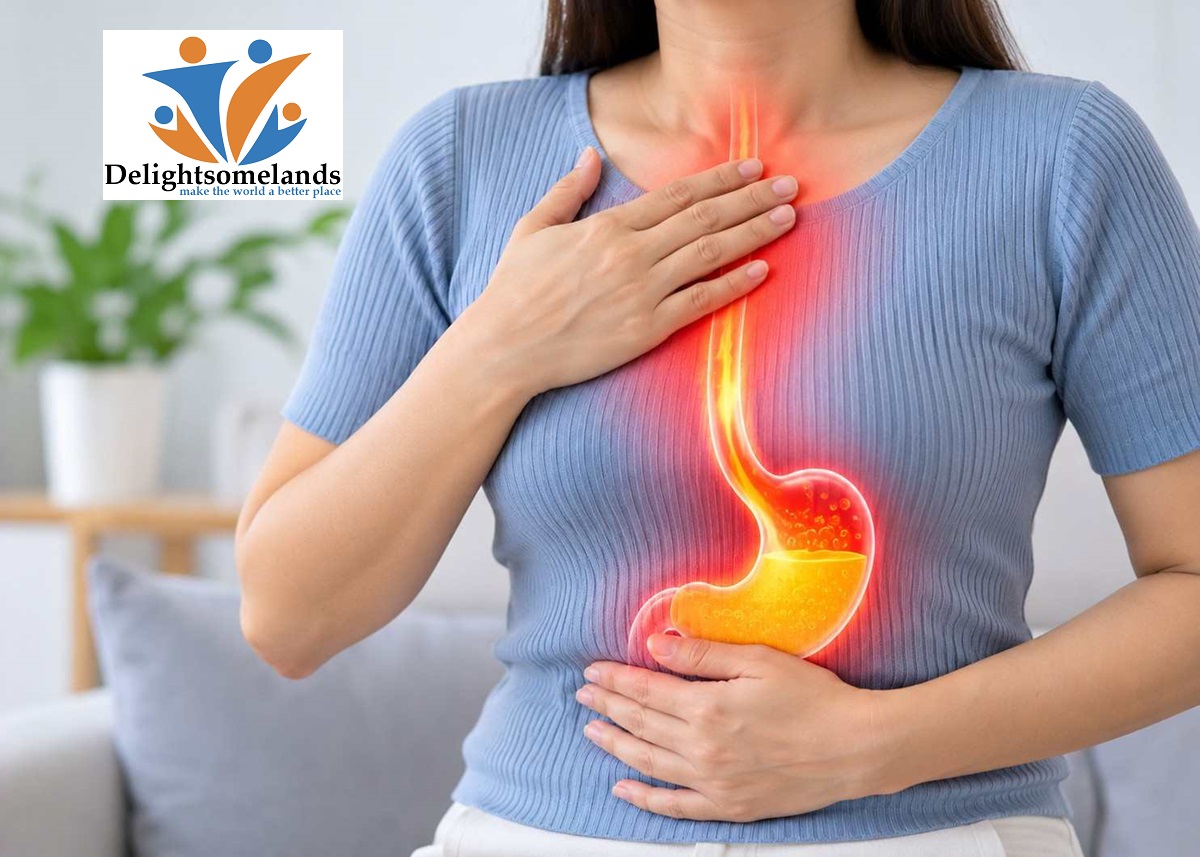
Simple and natural ways for you to treat a bacterial infection affecting your digestive tract.
What Is H.pylori?
Helicobacter pylori or H. pylori are bacteria that can enter your body and thrive in your digestive tract. After years, they can surface as sores in the lining of your stomach or the upper part of your small intestine. This infection may also lead to stomach cancer in some individuals. H. pylori infections are quite common. These bacteria are found in the bodies of two-thirds of the world’s population. However, they do not cause symptoms in most people. Possible symptoms are discussed in the next section.
A feeling of gassiness accompanied by nausea, bloating, and unexplained weight loss may indicate Helicobacter pylori infection. About 44.3% of the population around the world is affected by this microbe (1). Natural treatment of Helicobacter pylori mostly includes using ingredients with medicinal value to minimize the infection. In this article, you will know about Helicobacter pylori infection and how to manage it effectively with simple home remedies.
What Is H.pylori?
Helicobacter pylori or H. pylori are bacteria that can enter your body and thrive in your digestive tract. After years, they can surface as sores in the lining of your stomach or the upper part of your small intestine. This infection may also lead to stomach cancer in some individuals.
Signs And Symptoms
Stomach ulcers are one of the most prominent symptoms of an H. pylori infection. The other symptoms are mostly associated with ulcers. They may include:
- Bloating
- Nausea
- Vomiting
- Burping
- Loss of hunger
- Weight loss
- Stress and anxiety
In some cases, the ulcers can bleed into the stomach or intestines. This could be dangerous to your health. The symptoms of bleeding ulcers may include:
- Bloody stool that may be dark red or black
- Difficulty in breathing
- Fainting or dizziness
- Fatigue
- Pale skin
- Vomit that may have some blood in it
- Severe stomach ache
Home remedies for ulcers can offer symptomatic relief. Incorporating foods with natural healing properties, such as honey and licorice root, can aid in the healing process and reduce discomfort associated with ulcers.
While it is not common, some H. pylori infections can lead to the development of stomach cancer. This may cause a few symptoms like heartburn. Eventually, you may also notice other signs like:
- Nausea
- Loss of appetite
- Belly pain and/or swelling
- Vomiting
- Weight loss without any apparent reason
- Feeling full after eating a small amount
Stomach ulcers were initially thought to be a result of smoking and consuming spicy foods. It was later that researchers found H. pylori to be the main culprit behind the development of such ulcers.
Ellie, a blogger, talks about her journey with H. pylori that started in 2016. She writes, “I became ill for 24 hours- constant vomiting and fever. I couldn’t keep fluid down. It felt like I threw up every ounce of liquid in my body (i).” She adds that over the next few months, she experienced her stomach reacting to foods that it never did before. Finally, her doctor suggested testing for H. pylori and she was diagnosed with the infection.
Let’s look into the causes and risk factors.
Causes And Risk Factors
What causes an H. pylori infection to spread from one person to another is still not known. While these bacteria have coexisted with humans for many years, the infection was found to spread from one person’s mouth to another. It may also spread from feces to the mouth. Infected individuals who do not wash their hands after using the loo can spread the infection to others through food and water they may have touched.
Once ingested, H. pylori can penetrate the mucus lining of the stomach, generating substances that neutralize the stomach acids. As a result, the stomach cells become increasingly vulnerable to the harsh acids. The irritation of the stomach lining due to H. pylori and the stomach acids cause ulcers in the stomach as well as the duodenumi .
Factors that can increase your risk of developing an H. pylori infection are:
- Living in or visiting a developing country
- Sharing utensils with an affected individual
- No or less access to hot water
- Non-Hispanici African or Mexican American descent
- Poor hygiene practices
- Mouth-to-mouth contact
- Sexual intercourse with an affected individual
As you can see, H. pylori infections can be transmitted from one person to another in a number of ways. There are many combinations of antibiotics and other medications available to eliminate the bacteria while reducing ulcers.
Listed below are some natural remedies and alternative medicines that can assist these medications in treating an H. pylori infection.
Natural Remedies To Get Rid Of H. pylori Infection
There are many natural remedies that you can use in mild cases of H. pylori infection. However, note that while these natural remedies may help manage the infections by supporting digestion and reducing inflammation, they should not be considered a substitute for medical treatment. The effectiveness of these remedies varies, and they may not fully eliminate the bacteria or prevent complications like ulcers. Also, some ingredients may interact with medications or cause side effects. So, consult a healthcare provider before trying any new treatment, especially if you have pre-existing conditions or are on prescribed antibiotics. A proper diagnosis and medical guidance ensure the safest and most effective approach to managing H. pylori infections.
Now, let us explore some at-home methods that may soothe H. pylori infections.
- Probiotics
- Green Tea
- Honey
- Olive Oil
- Aloe Vera
- Licorice Root
- Black Seed (Nigella Sativa)
- Turmeric
- Ginger
- Oil Pulling With Coconut Oil
- Lemongrass Oil
Clinical Guidelines For H. pylori Treatment
Conventional methods of treating H. pylori infections usually involve a combination of proton pump inhibitors (PPIs) and antibiotics. The PPIs help lower stomach acid, permitting the repairing of the stomach lining and increasing the effectiveness of the antibiotics to eliminate the bacteria. The treatment typically lasts about two weeks to guarantee complete elimination and lower the chance of recurrence.
In addition to following these remedies, you also need to pay attention to what you eat to deal with H. pylori infections.
Healthy Diet For H. pylori Infections
Foods rich in antioxidants are especially helpful in treating H. pylori infections by activating your immunity (14). They include foods rich in vitamin C like berries, bell peppers, spinach, and kale.
Citrus fruits also exhibit bactericidal effects against H. pylori, both alone as well as in combination with other antibiotics (15).
Broccoli sprouts are rich in a compound called sulforaphane, which is believed to exhibit anti-H. pylori activities (16). The fatty acids in olive oil may also help with an H. pylori infection (5).
Certain foods can also worsen the symptoms of your infection. So, what not to eat when you have an H. pylori infection?
Foods that may further worsen your condition and are best avoided include alcohol, spicy foods, carbonated drinks, fried/fatty foods, chocolate, coffee, and acidic foods. It is important to incorporate a few lifestyle modifications and dietary changes. Acid reflux, which is a common symptom associated with an H. pylori infection, may also worsen with the consumption of these foods (17).
The aforementioned foods can help manage an H. pylori infection better. But is that infection contagious? Learn more in the next section.
Is H. pylori Contagious?
H. pylori
primarily infects the stomach lining and causes gastric ulcers and chronic gastritis. This makes it contagious, as it spreads through oral-to-oral or fecal-to-oral routes, typically through contaminated food, water, or close personal contact (18). The risk of transmission within families or close contacts is especially higher due to shared living spaces and common sources of infection.
However, it is not highly infectious like the common cold or flu. Not everyone exposed to H. pylori develops an infection. Some may remain asymptomatic for a long time. These infections mostly occur in childhood, and, if left untreated, often persist into adulthood. Therefore, practice frequent handwashing and avoid sharing utensils to minimize the risk of transmission.
How To Prevent H. pylori Infections
- Wash your hands every time you use the loo and before eating.
- Wash your hands before cooking meals.
- Avoid food/water that is contaminated.
- Avoid consuming foods that are not cooked thoroughly.
- Quit smoking.
- Quit drinking alcohol.
- Follow good hygiene practices.
- Avoid close contact with affected individuals.
- Avoid sharing utensils with affected individuals.
When managing gastritis due to infection, it is crucial to follow a well-balanced gastritis diet. Knowing which foods to avoid and foods to consume can significantly impact your comfort and recovery. In addition to dietary adjustments, effective home remedies for gastritis can provide relief from symptoms.
You can easily avoid H. pylori infections if you maintain basic hygiene. As this infection can spread rapidly, you need to be cautious when you are in a developing country or in close contact with an affected individual.
Some individuals may not even realize that they are harboring H. pylori as the symptoms are not always evident. In such cases, the infection is not problematic. However, if you are diagnosed with H. pylori infection, it is best to get it treated medically to prevent complications from the disease.

